- The Money Trails
- Posts
- What Makes This Scam Worse Than Buy Now Pay Later
What Makes This Scam Worse Than Buy Now Pay Later
How debt apps convinced you that being broke is actually financial freedom


Kartik Vyas & Gen Kimura
December 04, 2025

 |  |  |
What’s in This Week’s Issue…
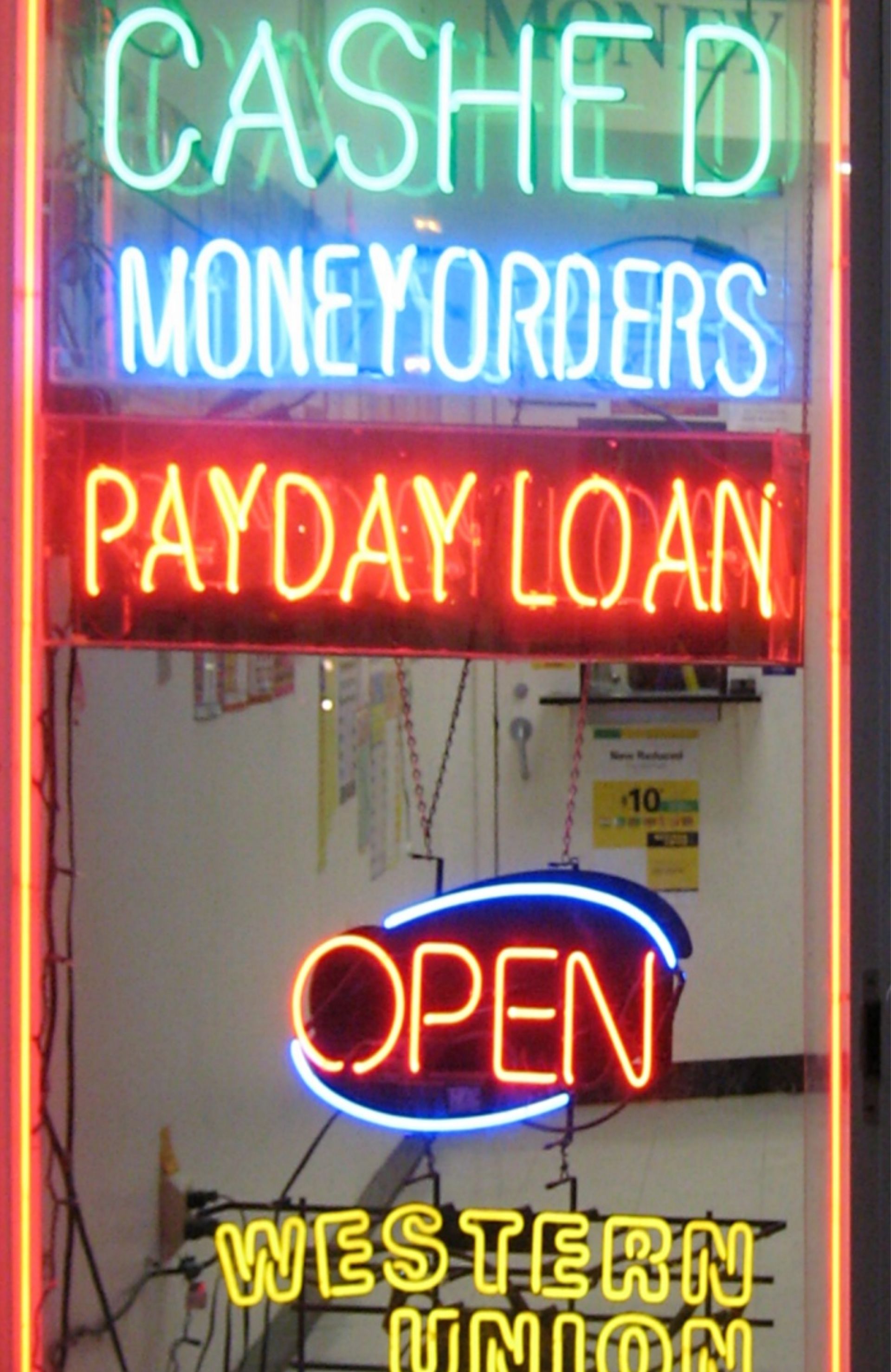
Good morning. Remember those sketchy payday loan stores with neon "CASH NOW" signs? The ones you'd drive past thinking, "Who falls for this garbage?"
Well, those same businesses didn't die when regulators shut them down.
They just put on a Silicon Valley makeover, raised billions in venture capital, and convinced an entire generation that renting their own money is financial empowerment.
So this week…
🏆 The Big Play: How payday lending went from shame to mainstream by rebranding debt as freedom
💪 The Power Move: What that means for your financial future
💵 Follow the Money: What does Jeffrey Epstein’s notorious island look like
-GEN
🏆 The Big Play
The biggest money power story of the week.
How the Payday Lending Industry Went From Shame to Mainstream

Annual interest rates on $300, single-payment payday loans
The modern payday lending industry didn't die from regulation. It got smarter.
While regulators celebrated shutting down thousands of storefront payday lenders by 2020, something more insidious was already taking shape.
Apps like Earnin, Klarna, and Dave now offer the same predatory loans that once required a trip to a sketchy storefront. But this time, they've mastered the art of making exploitation feel like empowerment.
What was once a last resort for the desperate has become a lifestyle choice for millions. Here’s how:
1. The Desperation Economy That Never Left
The fundamental problem that made payday lending profitable in the first place has only gotten worse:
37% of Americans can't cover a $400 emergency without taking on debt
Two-thirds of Americans live paycheck to paycheck
Wages haven't kept up with inflation, while housing, groceries, and everything else have skyrocketed
The old payday loan stores knew exactly where to set up shop: working-class neighborhoods and low-income communities.
Not because they were helping people, but because desperate people make the best repeat customers. Three-quarters of their revenue came from people who took out 10 or more loans per year.
So, the business model was never about one-time emergencies. It was about creating a subscription to debt.

2. Private Equity and Venture Capital Rebuilt the Machine
When regulation shut down physical stores, billions in investment capital poured in to digitize the same predatory model:
Private equity firms like Diamond Castle and Golden Gate Capital consolidated thousands of remaining stores into national empires
Venture capital-funded apps that normalized short-term debt across all income levels, including one-third of users earning six figures
Major employers like Walmart partnered with these services, rebranding them as "employee benefits" instead of loans
The strategy was brilliant in its simplicity: capture market share first, get millions of users hooked, gather their data, then make the service worse and more expensive later.
By 2022, buy-now-pay-later had become so embedded in the system through partnerships with banks and payroll processors that regulating it became nearly impossible.

3. The Cultural Shift That Made Regulation Impossible
But the real genius wasn't just avoiding regulation. It was convincing users to defend the trap:
Words like "loans," "interest," and "credit damage" were replaced with "empowerment," "freedom," and "control"
Taking out a loan for junk food became "optimizing cash flow"
Being broke and borrowing became positioned as taking control of your finances
And unlike previous generations who avoided debt, Gen Z and millennials now see debt management as a normal skill.
When the CFPB announced in 2024 that buy-now-pay-later services should be treated like credit cards with real disclosures, the industry had already moved to the next loophole: "optional tips" instead of mandatory fees.
And when regulators sued Earnin for running what they called illegal high‑cost loans disguised as “tips”, the company had the perfect defense: that they weren't predatory lenders but "responsible innovators offering a lifeline to customers who have no choice."
And with over 80 million Americans using these apps regularly, it became hard to argue otherwise.
💪 The Power Moves
Playbook for understanding the game of power.
What This Means for Your Financial Future

Buy Now, Pay Later Spending Spree
When your economic reality requires constant borrowing just to survive, services that make borrowing easier start feeling like lifelines instead of exploitation.
The industry has successfully positioned itself as the only solution to problems it helps perpetuate.
This isn't just about individual financial literacy anymore:
When two-thirds of Americans live paycheck to paycheck, and when apps can raise billions to normalize debt across all income levels, we're looking at a systemic transformation.
The economy now requires people to stay in debt cycles to function.
The pattern is clear: as AI eliminates jobs, as housing becomes more unaffordable, and as emergencies become more frequent, more people will have no choice but to use these services.
And when defaults start mounting across student loans, car loans, mortgages, and now paycheck advances, it won't just hurt the borrowers. It will crash the system for everyone.
The Takeaway:
When desperation becomes profitable, and debt gets rebranded as empowerment, you're not just looking at predatory lending.
You're looking at the deliberate construction of an economy that requires people to rent their own money to survive.
The trap isn't hidden anymore. It's been marketed so well that people line up to defend it.
💵 Following the Money
Three of the wildest financial and corruption stories from around the world.

From Epstein’s Island
✨ Poll time!
Do you think apps have made the payday lending trap harder to escape? |