- The Money Trails
- Posts
- Is America Entering Another Forever War?
Is America Entering Another Forever War?
The latest Middle East escalation reveals why America's forever wars never truly end.


Kartik Vyas & Gen Kimura
March 12, 2026

 |  |  |
What’s in This Week’s Issue…
Good morning. Every president since 2001 has promised to bring American troops home from the Middle East. Every single one has failed.
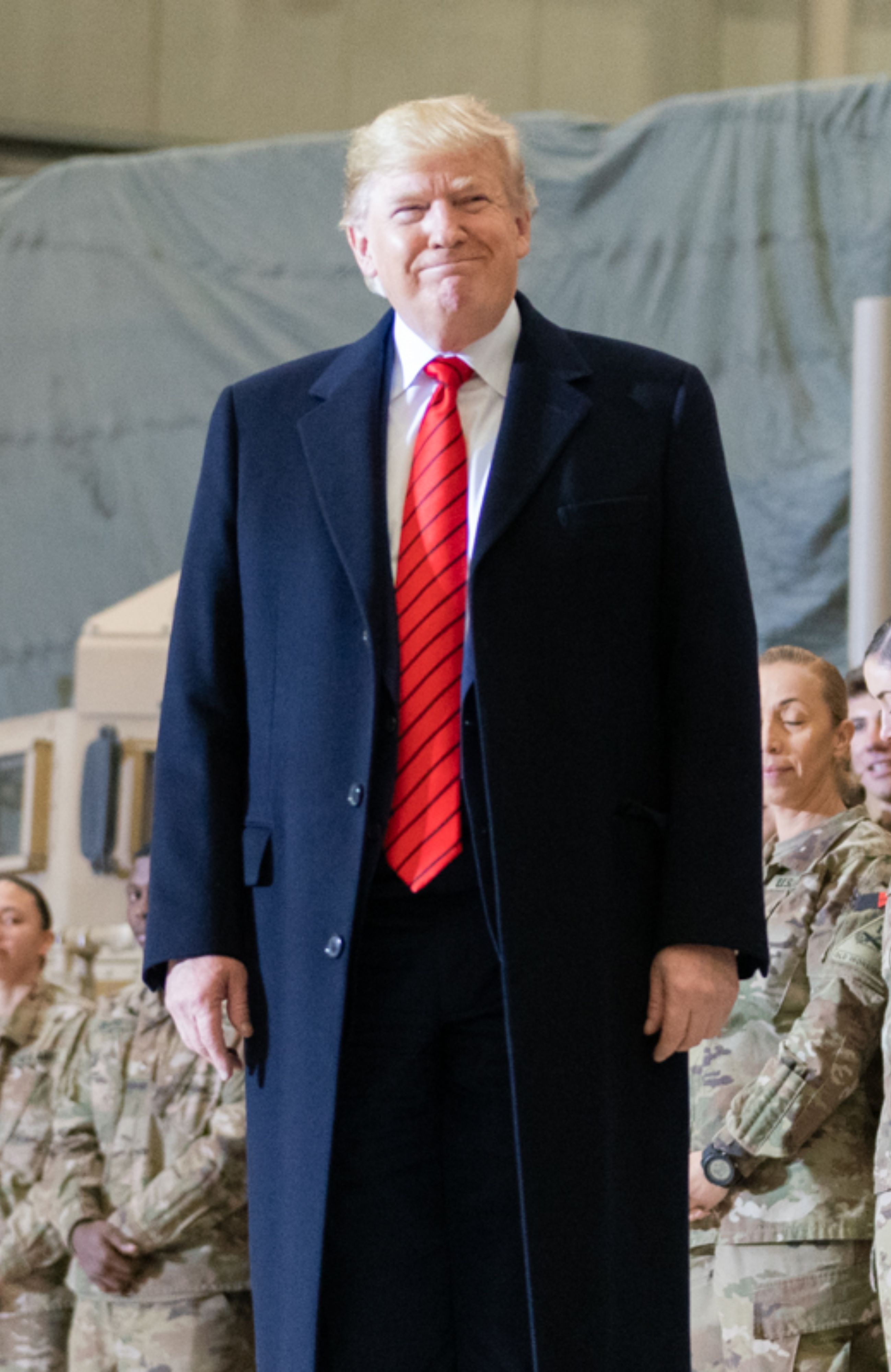
Donald Trump campaigned twice on ending "endless wars." He signed withdrawal deals, cut troop numbers, and blasted NATO allies for freeloading. Yet the U.S. now finds itself in direct confrontation with Iran, with carrier groups deployed, and attacks on American bases across the region.
It stops being about whether leaders are lying because it’s clearer than ever before that the system itself makes withdrawal impossible.
So this week…
🏆 The Big Play: How America's Middle East security architecture creates incentives for forever wars
💪 The Power Move: What the Iran crisis reveals about the real rules of the game
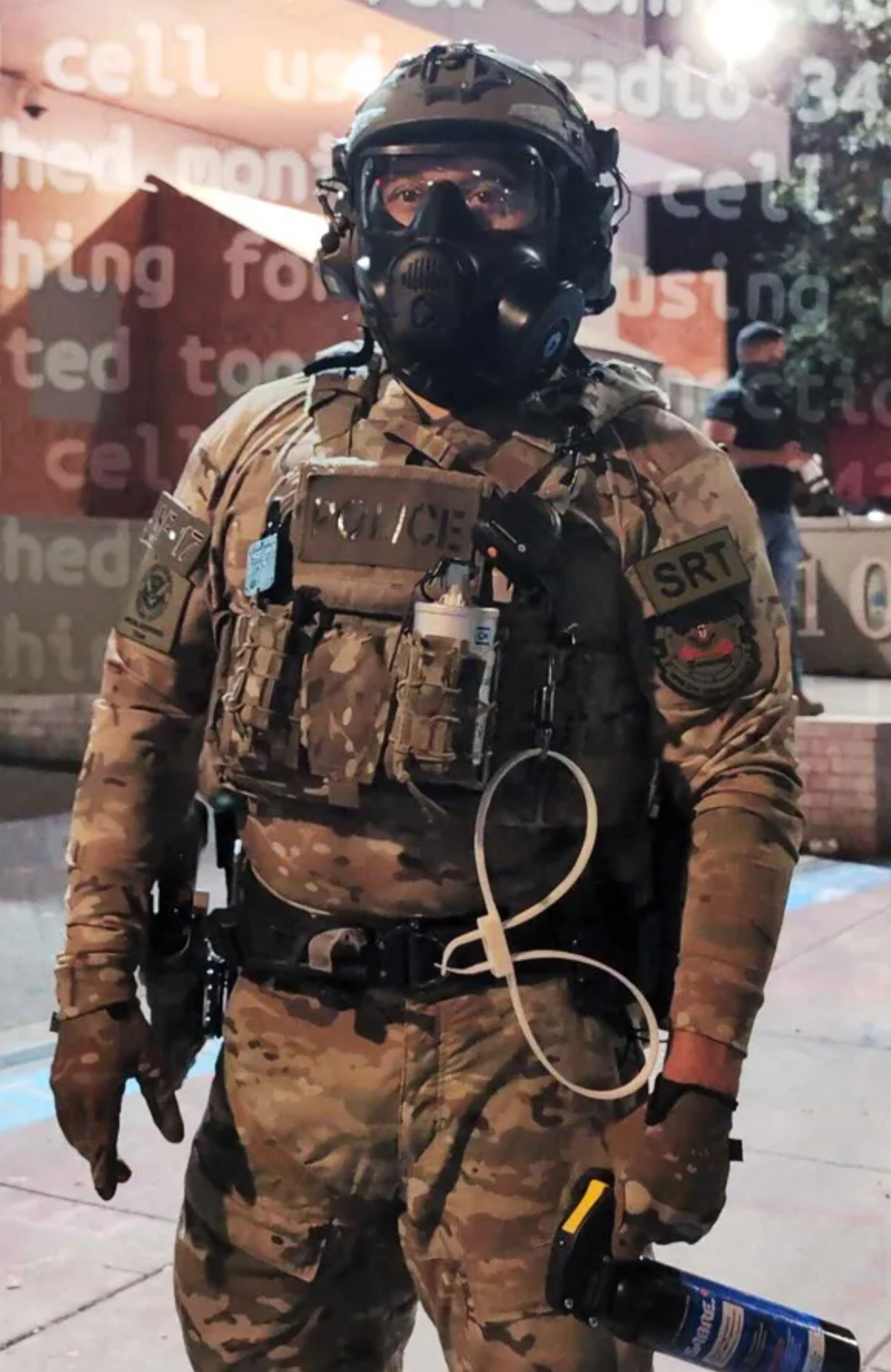
💵 Follow the Money: How ICE surveils your cell phones using a $50,000 device
-GEN
🏆 The Big Play
The biggest money power story of the week.
The Architecture Behind America’s Forever Wars
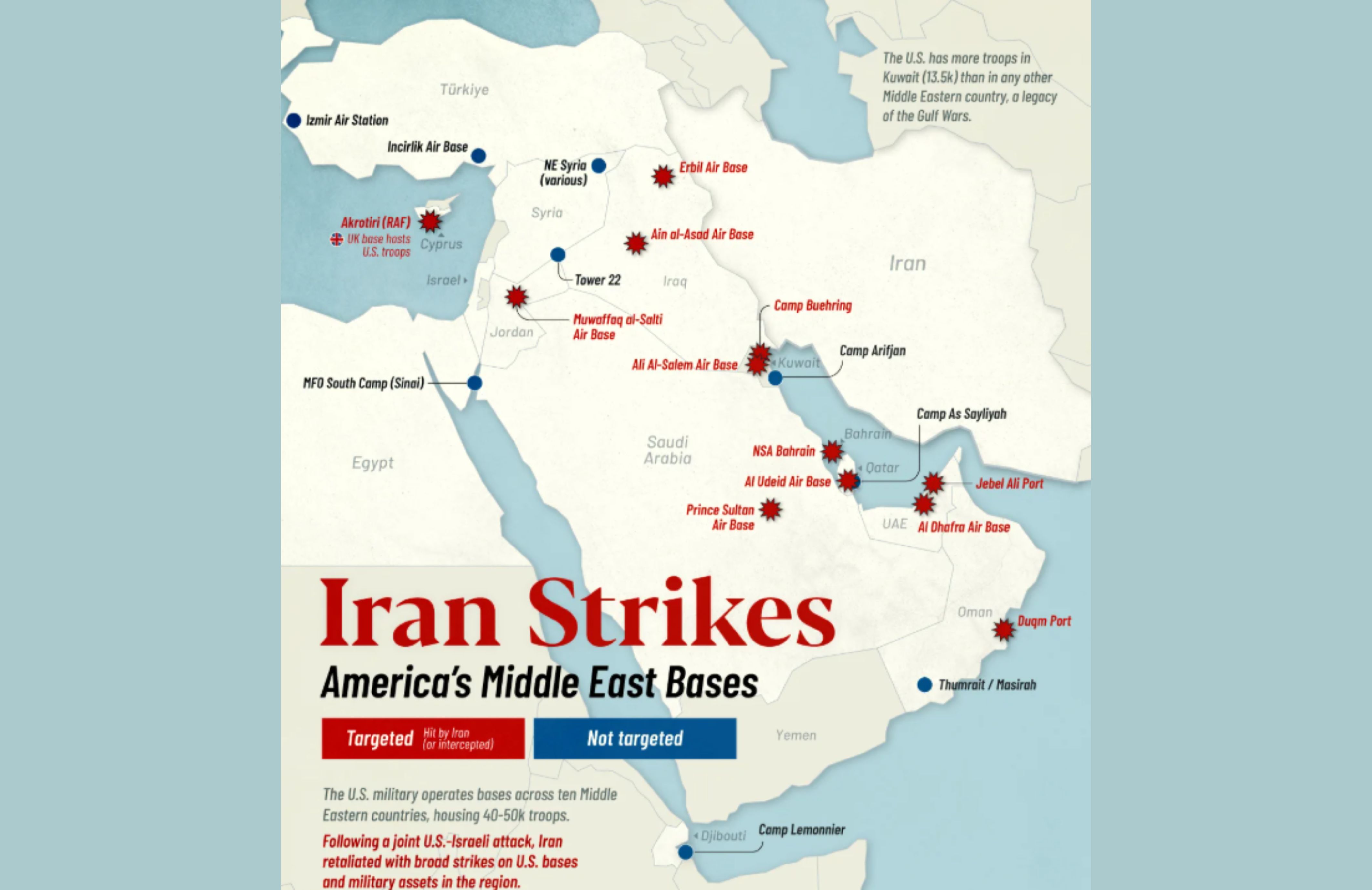
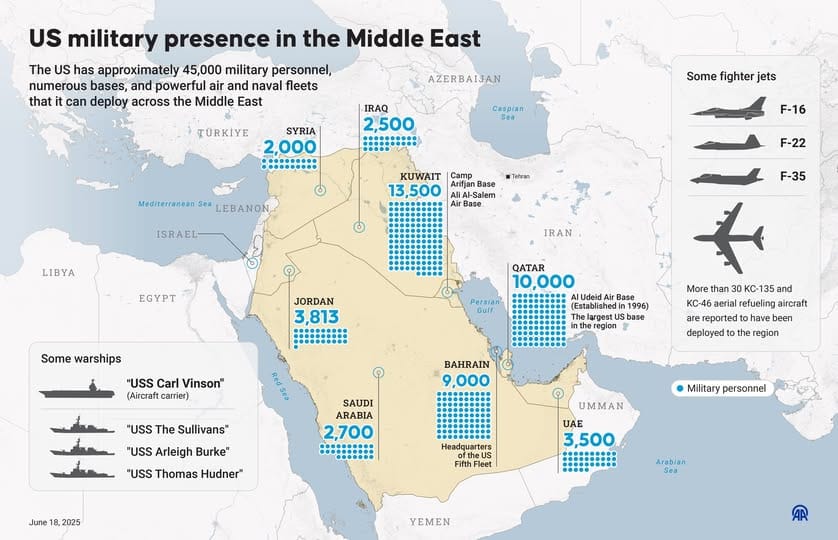
U.S. Military Bases in the Middle East and the ones attacked by Iran
The Afghanistan War cost $2.3 trillion and lasted 20 years. The Iraq War ran for nine years at $2 trillion through 2021, then pulled the U.S. back in when ISIS emerged. Syria started as limited airstrikes and became a years-long deployment.
Altogether, post-9/11 wars have exceeded $8 trillion and caused roughly 900,000 deaths.
These weren't accidents. They were the predictable outcome of a system designed to perpetuate itself.
1. The Legal Engine That Starts Endless War
Within days of 9/11, Congress passed a 60-word resolution that changed everything. The 2001 Authorization for Use of Military Force gave presidents sweeping power to use "all necessary and appropriate force" against those responsible for the attacks and anyone who harbored them.
No time limit, no geographic boundary, and no requirement for fresh congressional approval:
That single authorization has been stretched to justify military operations in Afghanistan, Pakistan, Yemen, Somalia, Libya, Syria, and Iraq.
A second authorization from 2002, originally targeting Saddam Hussein, later justified strikes against ISIS and other threats.
Combined, these legal frameworks have enabled combat operations in at least seven countries without a single new war vote.
The pattern is mission creep by design.
Initial objectives expand into broader tasks → New enemies emerge from the chaos of previous interventions → Political promises of swift victory give way to years of grinding conflict.
This isn't poor execution. It's how the system works when legal authorities have no expiration date, and success is defined in preventive terms like "denying safe havens" rather than concrete military victories.
2. The Infrastructure That Won't Let Go
Trump promised to end forever wars. He cut troop numbers in Afghanistan from 13,000 to 2,500. He reduced Iraq deployments and announced withdrawals from Syria.
But the deeper architecture remained untouched. The U.S. maintains 40,000 to 50,000 troops across the Middle East, spread over 15 to 20 countries:
These bases create jobs for thousands of local workers and tie allied militaries to American training and equipment.
They enable the light-footprint warfare that makes forever wars politically sustainable: drones, special operations raids, intelligence sharing, and rapid strikes.
Closing any major facility would require renegotiating host-nation relationships, accepting reduced response capability, and signaling a downgrade of U.S. commitments.
Once you build this network, withdrawal becomes structurally difficult. Politicians who propose leaving must reckon with abandoning billions in infrastructure and stranding local allies (remember, Afghanistan in 2021!).
Even Trump, despite his rhetoric, found himself maintaining most bases while shuffling forces between them. The network itself generates inertia as staying or re-intervening gets framed as protecting stability.
So the choice becomes: accept blame for the collapse or maintain presence indefinitely.
3. The Economic Magnet That Makes Them Impossible to End
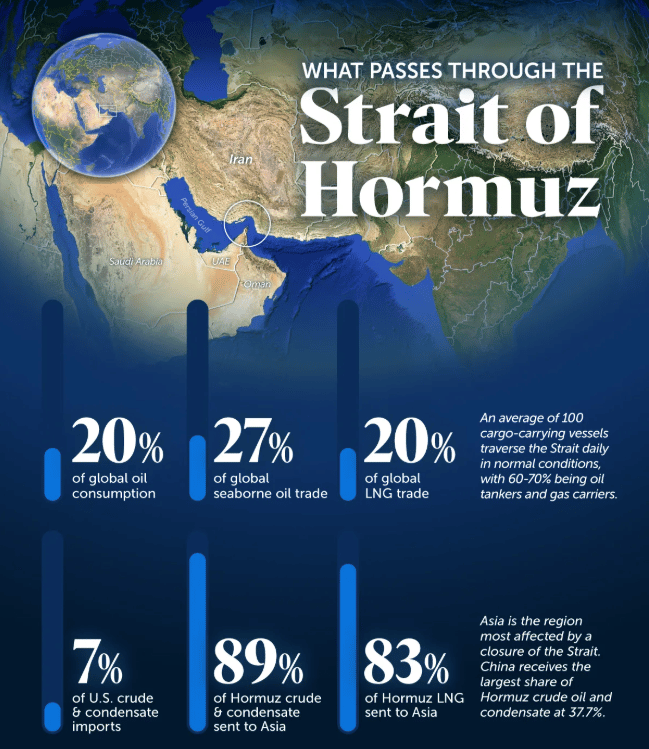
Twenty percent of global oil consumption passes through the Strait of Hormuz. That narrow waterway between Iran and Oman is the world's most critical energy chokepoint, with virtually no alternate route existing at scale.
Any threat to Hormuz instantly spikes global oil prices.
After the recent U.S.-Israeli strikes on Iran, Brent crude surged sharply to around $119 per barrel.
The International Energy Agency authorized a record 400 million barrel strategic release to calm markets.
But that amount equals only four days of world production or 16 days of Persian Gulf flow.
The U.S. can't ignore conflicts here because energy and trade stability operate as structural magnets. Even as American energy imports from the Middle East decline, Washington remains heavily engaged in securing chokepoints.
Disruptions reverberate into domestic inflation and political pressure. Shocks to oil prices or supply chains quickly become domestic political crises.
This dynamic pulls the U.S. back into the region whenever major threats emerge, regardless of stated policy. The global economy's dependence on Middle Eastern energy flows creates a near-compulsion to intervene.
So does the defense of allies and the defense of American security infrastructure in the region.
💪 The Power Moves
Playbook for understanding the game of power.
How These Wars Become a Playground for Power Games
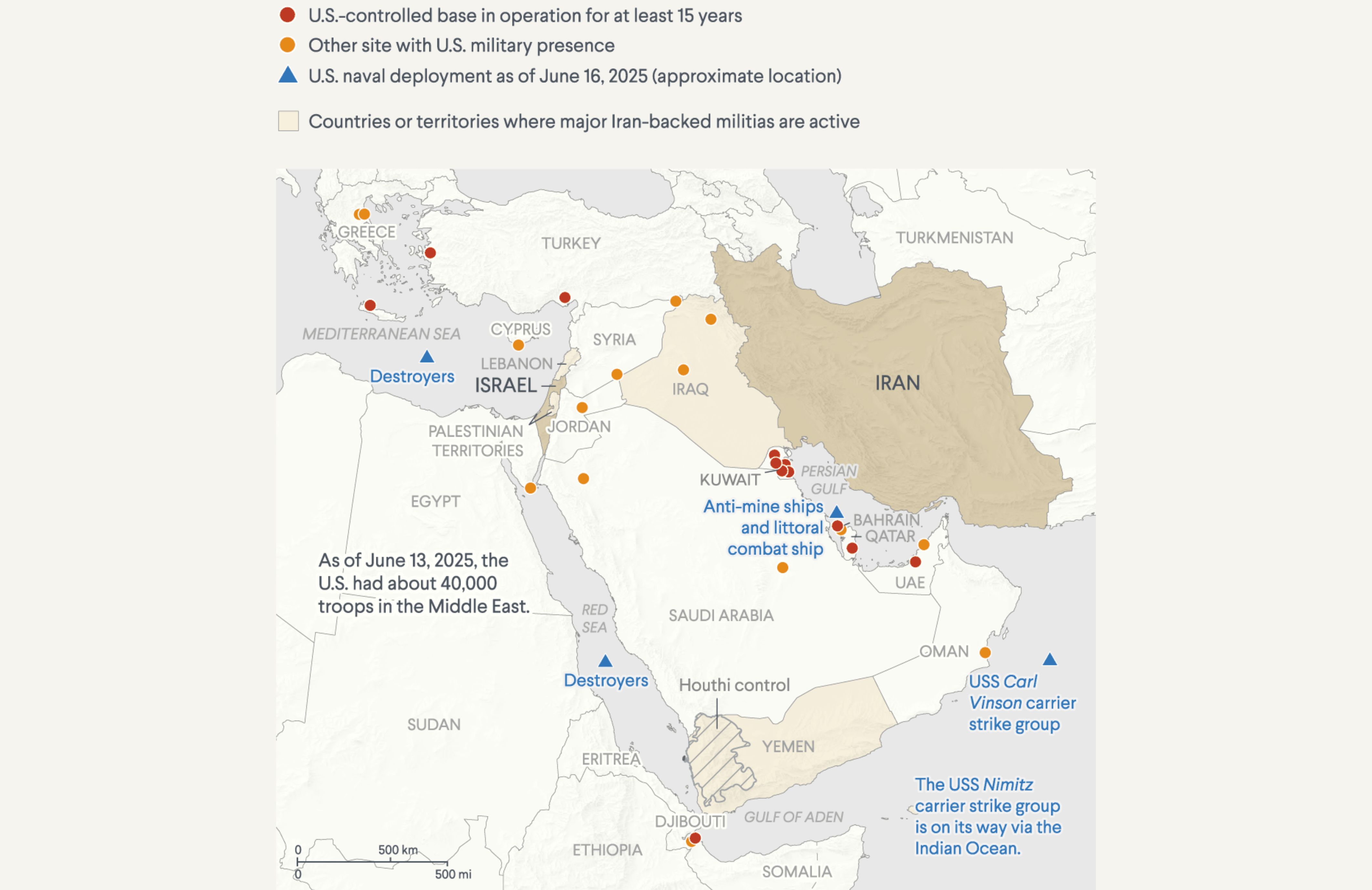
U.S. presence vs Iran-backed active militias in the Middle East region
Here's what most analyses miss: forever wars aren't policy failures. They're structural outcomes of the role America chose to play in the global system.
The proxy warfare structure compounds the problem.
→ Iran projects power through Hezbollah in Lebanon, militias in Iraq, Houthis in Yemen, and other groups across the region.
→ These proxies allow Tehran to escalate without formal war declarations, to strike U.S. interests and allies while maintaining plausible deniability.
→ When they attack, Washington faces a dilemma: ignore it and look weak, or respond and risk broader escalation.
Most administrations choose to respond, which validates the proxy strategy and ensures it continues.
Then there are counterterrorism and domestic political logics, all of which further make it almost impossible for the U.S. to withdraw from these wars.
The Takeaway:
The lesson is simple: America’s forever wars don’t continue because presidents want them to.
They continue because the global system the U.S. built makes walking away far harder than staying.
💵 Following the Money
Three of the wildest financial and corruption stories from around the world.

The device ICE is allegedly using for surveillance is available on eBay
✨ Poll time!
Do you think the United States can ever step back from policing the Middle East? |


