- The Money Trails
- Posts
- Why Tipping Feels like a Scam Now in America
Why Tipping Feels like a Scam Now in America
How generosity turned into corporate wage subsidy


Kartik Vyas & Gen Kimura
February 19, 2026

 |  |  |
What’s in This Week’s Issue…
Good morning. You just paid $6 for a coffee you poured yourself, and now a screen is demanding a 25% tip. You feel like an asshole for hesitating. But here's what nobody's telling you: that guilt isn't accidental. It's engineered.
100 years ago, tipping was illegal in six states. Workers protested it. Mark Twain even called it un-American. Now, it’s everywhere.
And the tips you’re leaving aren’t even going where you think they are.
So this week…
🏆 The Big Play: How tipping went from illegal to inescapable
💪 The Power Move: The psychological trap keeping this system alive
💵 Follow the Money: Mark Zuckerberg testifies in a trial that could wipe out entire social media?
-GEN
🏆 The Big Play
The biggest money power story of the week.
How Companies Outsourced Their Paychecks to Tipping
Is it real?
Tipping started as a European aristocratic flex. Rich Americans imported it in the 1800s to show off how sophisticated they were. Everyone else hated it.
But after the Civil War, everything shifted:
1. From Illegal to Inescapable
Restaurant owners and railroad companies saw an opportunity. They hired millions of former slaves and paid them in tips instead of wages:
The Pullman Company made railroad workers put in 400 hours a month, working 20-hour days, surviving entirely on tips.
Workers had no guaranteed income, no labor protections, and no way out.
Tipping became a way to extend the economics of slavery without calling it that.
By 1918, the backlash was so strong that six states made tipping illegal. It looked like the practice might die.
Then corporate lobbying stepped in.
Lobbying groups launched massive campaigns to reframe tipping as a patriotic duty and shamed non-tippers as freeloaders.
The prohibition made enforcement impossible, and by 1926, every anti-tipping law was repealed.
Some customers started enjoying it because it gave them a sense of superiority over workers.
Even in the mid-20th century, most Americans said tipping should be eliminated if workers got fair wages. But in 1996, lawmakers introduced the tip credit: employers only have to pay $2.13 per hour, and tips are supposed to cover the rest.
That number hasn't moved in three decades.
Now the customer feels responsible for whether a worker earns enough. You get called an asshole for questioning it. And the scam just got smarter.

2. The Digital Guilt Machine
When the pandemic hit, cashless checkouts took over. Those tablets didn't just change how we pay. They weaponized guilt:
You're standing at the counter with a line behind you, and the screen flips around with three options: 20%, 25%, or 30%
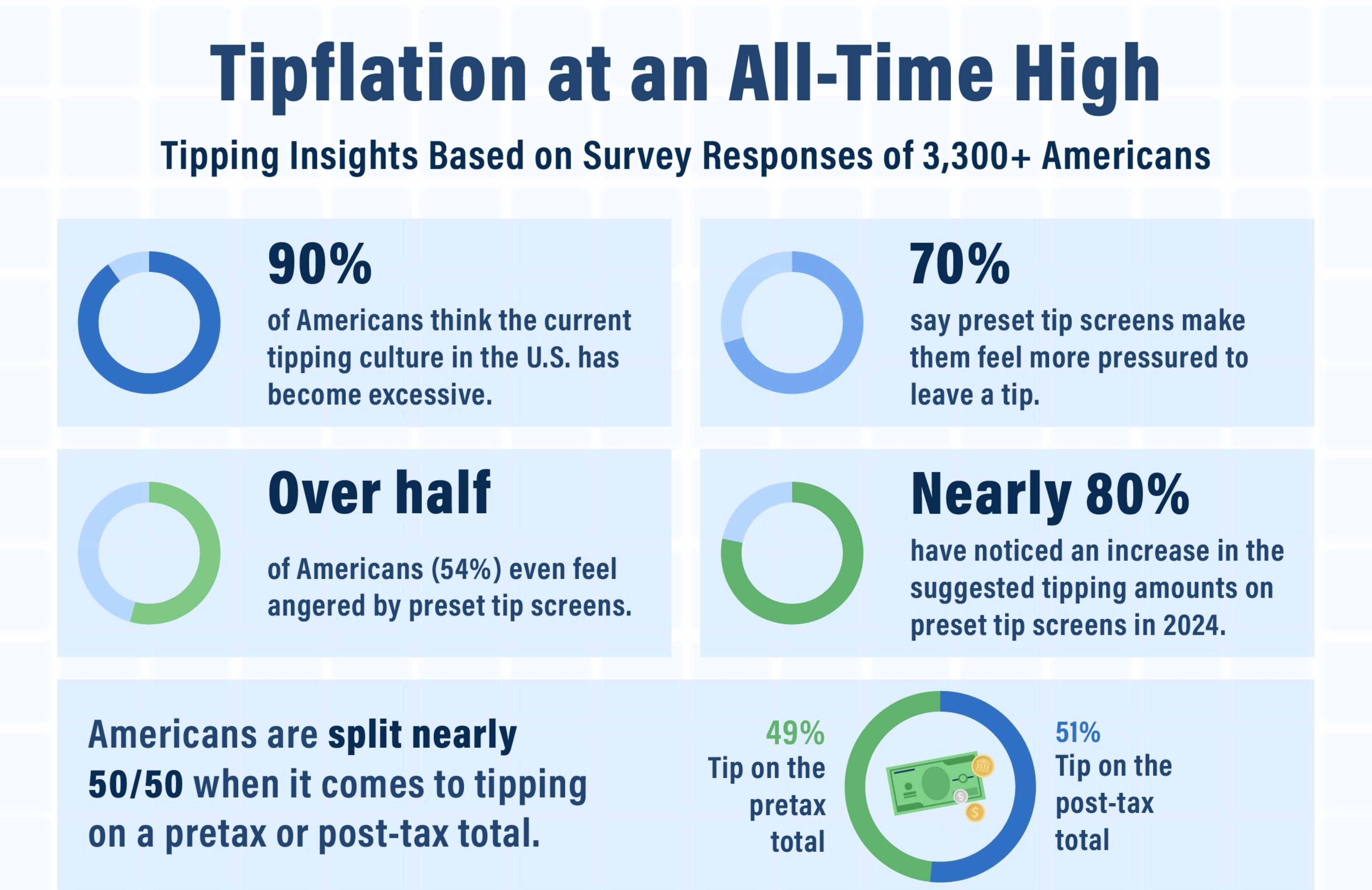
Two out of three people feel pressured to tip when that screen turns, even for services that used to be tip-free
The employee is watching. The people behind you are watching. You have three seconds before everyone decides you're cheap
But here's the part nobody talks about: those tips aren't going to the workers.
Payment processors like Visa and Mastercard take 2-3% of every transaction, including the tip. Platforms like Toast and Square take even more, and they charge restaurants higher fees on tips than on the base transaction.
So the more you tip, the more the platform makes.
DoorDash got sued for using customer tips to replace the guaranteed pay they owed drivers, meaning your $5 tip didn't go on top of their earnings. It replaced it entirely.

3. When a Tip Becomes a Loan
Now the word "tip" has become a loophole for something even darker.
Apps like Earnin and Dave let you access your paycheck early, but they don't call it a loan:
The tipping playbook didn't stop at restaurants. Companies like Earnin and Dave figured out how to weaponize the word "tip" to dodge lending laws.
You need your paycheck early because rent is due tomorrow, so you use an app that gives you "early wage access".
To get your own money a few days early, the app asks you to leave a "tip" ranging from $1 to $14.
When you do the math, you're paying interest rates of up to 300% to borrow your own paycheck.
But because it's labeled a tip, regulators can't touch it. And the companies said it wasn't a loan because the tip is "optional," so they don't have to follow lending laws. That’s how they create and work the loophole.
Meanwhile, tipping went from rewarding good service to funding corporate profit margins. And now policy and automation are about to make it permanent.
💪 The Power Moves
Playbook for understanding the game of power.
Why You Defend the System That Exploits You
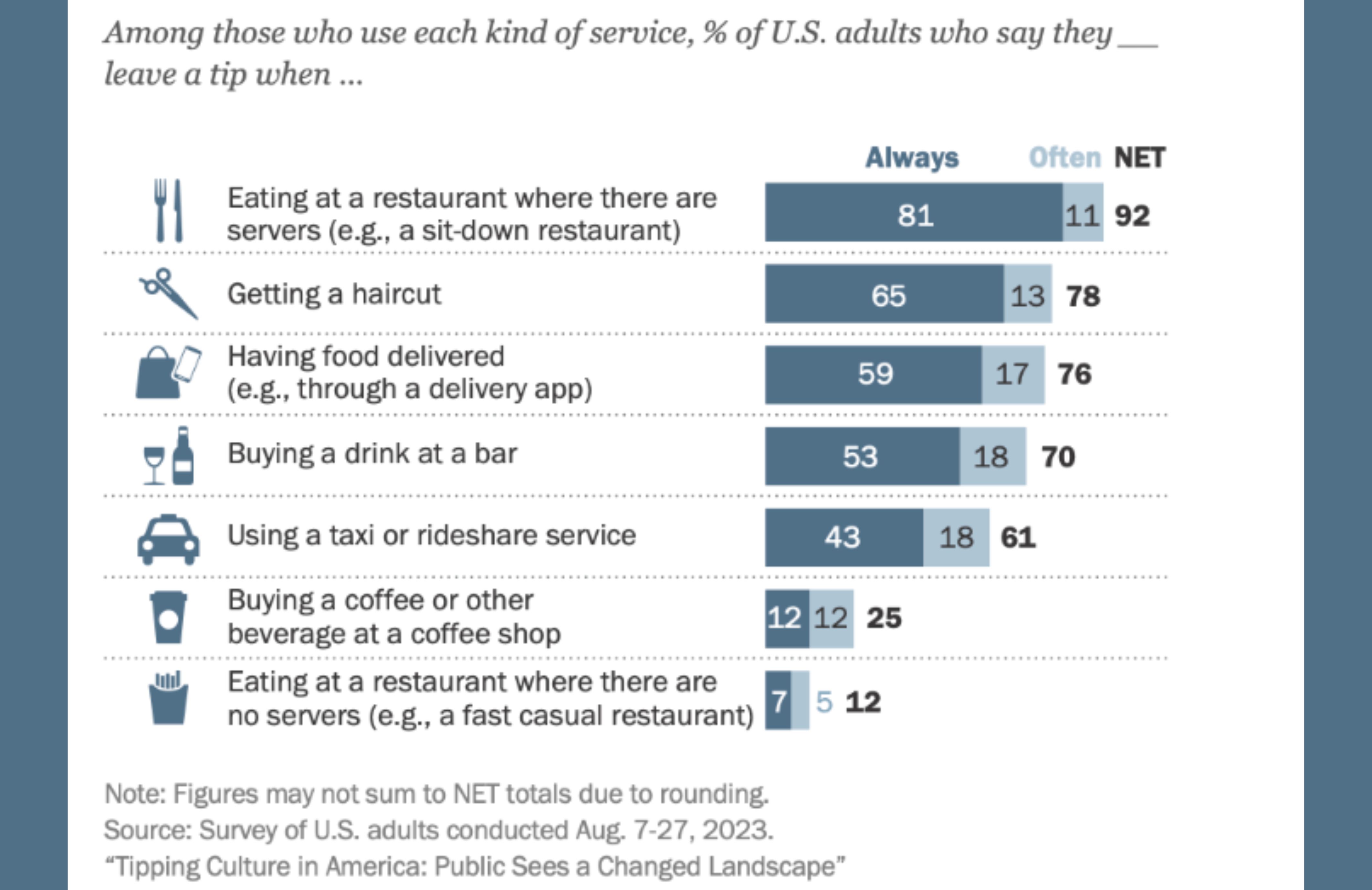
Americans’ tipping habits vary across service settings
You're trapped in a prisoner’s dilemma. If you stop tipping alone, you screw over the worker and look like an asshole. If everyone stopped tipping, restaurants would legally have to pay real wages.
But that coordinated action will never happen because tipping successfully transformed from America's most hated practice to its most defended one.
The people who built this system don't fight to maintain it:
They figured out decades ago that if they make you feel responsible, they never have to be.
The guilt you feel when that screen flips around isn't a bug. It's the feature that keeps the entire machine running.
So tip well, especially for good service and people you see repeatedly. But see the game clearly. Every time you feel that pressure, remember: someone engineered that feeling, someone profits from it, and it’s rarely the person serving you.
The Takeaway:
The system works because it turned generosity into an obligation, then monetized your guilt while cutting workers out of the profits.
The real power move isn't refusing to tip.
It's recognizing who designed your sense of responsibility, and understanding that your participation keeps a rigged game running exactly as intended.
💵 Following the Money
Three of the wildest financial and corruption stories from around the world.

Mark Zuckerberg testified in a California courtroom on Wednesday
✨ Poll time!
Have you tipped before even when you didn’t want to? |