- The Money Trails
- Posts
- How Private Equity Made Piracy Great Again
How Private Equity Made Piracy Great Again
The streaming scam that accidentally revived piracy


Kartik Vyas & Gen Kimura
October 03, 2025

 |  |  |
What’s in This Week’s Issue…
Good morning. While you were binge-watching Breaking Bad and thinking streaming had solved everything, private equity firms were quietly buying up every studio, theater chain, and streaming platform in Hollywood.
The same playbook they used on housing and healthcare got deployed on your entertainment: Buy it, load it with debt, squeeze out profits, then watch it collapse under its own weight.
But here's the twist nobody saw coming: consumers actually have a weapon this time.
So this week…
🏆 The Big Play: How private equity secretly bought Hollywood and accidentally created piracy's comeback
💪 The Power Move: Why this battle will determine whether America has any shared culture left
💵 Follow the Money: What does the new TikTok deal mean for you?
-GEN
🏆 The Big Play
The biggest money power story of the week.
The Quiet Takeover Nobody Saw Coming

Private equity firms active in entertainment industry
While everyone was distracted by celebrity gossip and award shows, private equity was systematically buying Hollywood piece by piece.
The playbook started in 2005 when Sony and several private equity firms acquired MGM Studios.
Here’s how this one deal triggered a feeding frenzy across the entire entertainment industry:
1. How it All Started
In 2005, MGM Studios was drowning in debt from failed blockbusters. That’s when Sony partnered with several private equity firms to buy MGM for $5 billion using their signature move: the leveraged buyout.
They put up $1-2 billion in cash, then loaded the remaining $3 billion in debt directly onto MGM.
The studio that created James Bond and Rocky was now drowning in even more debt than when it started. Within five years, MGM filed for bankruptcy.
15% of staff were laid off, and entire creative divisions were folded to make numbers look better on paper.
MGM filed for bankruptcy just five years later in 2010, but the private equity firms had already extracted their fees and profits, and the company got passed around like a financial hot potato until Amazon finally absorbed what was left in 2022.
But MGM was just the beginning. Soon, movie theater chains like AMC and Cinemark went to private equity. Nielsen, the TV ratings company, was bought by Blackstone and KKR. DreamWorks, Miramax, and talent agencies like WME all fell to the same playbook.
And the most insidious part? The media outlets that should have been reporting on this buyout spree were owned by the same financial interests.
Variety, The Hollywood Reporter, Rolling Stone, and IndieWire are all controlled by Penske Media Corporation, which is backed by private equity.
The watchdogs were owned by the wolves.
2. The Enshittification Cycle
Private equity didn't buy these companies to make better movies. They bought them to extract maximum short-term value through a predictable cycle:
expand by offering good value → squeeze that value by cutting costs → raising prices until consumers revolt.
This is exactly what happened with streaming:
Netflix originally killed piracy by offering genuine value.
One platform, reasonable price, massive library.
But as private equity infiltrated the industry, the incentive structure flipped from making good content to maximizing quarterly returns.
The result? Artificial scarcity through platform fragmentation.
Want to watch every Denver Nuggets game? That'll cost you $1,300 across multiple streaming platforms. Want to follow a TV series? You'll need Netflix for Stranger Things, Disney+ for Marvel, HBO for prestige dramas, and Peacock for The Office reruns.
3. The Consumer Rebellion
Here's where this story gets interesting:
Unlike housing, where private equity can trap you with limited options and high moving costs, entertainment gives consumers a nuclear option: piracy.
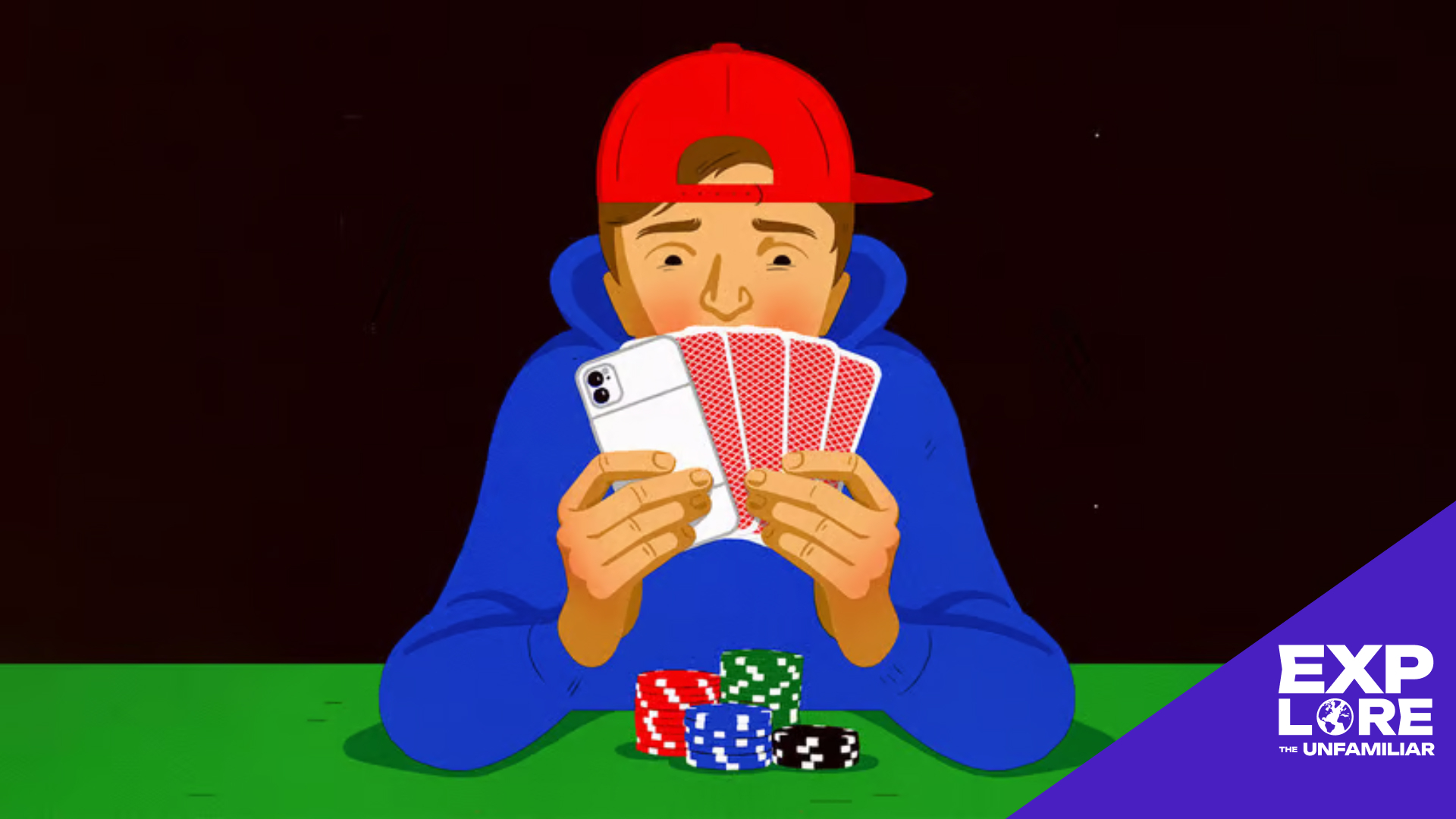
Piracy rates in 2024 jumped to 25%, up from record lows just a few years ago.
But people aren't pirating because they're cheap. They're pirating because they're being systematically ripped off by an industry that's forgotten how to provide value.
The breaking point came when streaming services started charging extra for ad-free viewing, then showing ads anyway.
For example, NFL RedZone, which costs $15 a month for commercial-free football, quietly introduced overlay ads in 2024. Just recently, they added full commercial breaks to a service people specifically paid to avoid commercials.
This is the rare case where consumers have a weapon against private equity. You can't pirate a roof over your head, but one pirate upload means millions can watch without anyone paying.
As a result, private equity's entertainment investments are being eaten alive by the very behavior their greed created.
💪 The Power Moves
Playbook for understanding the game of power.
The Real Stakes: America’s Cultural Death Spiral

Streaming services industry’s revenue loss to piracy
This battle reveals something crucial about how private equity operates and where it's vulnerable:
When they buy up housing and jack up rent, you're trapped. You can't pirate a roof over your head, and moving costs thousands of dollars and takes months.
But entertainment is different. If Netflix pisses you off, you can cancel with two clicks and may even watch pirated copies without paying anyone a dime.
And what makes this battle bigger than just entertainment costs is how it's accelerating the death of American monoculture.
Private equity may not have started our cultural fragmentation, but they've systematically destroyed the economic incentives for creating content that brings people together.
The Takeaway:
Private equity's short-term profit maximization has turned entertainment into algorithmic content designed to confirm existing biases rather than create shared experiences.
But they may have finally picked the wrong industry to financialize, as entertainment consumers have the tools and motivation to fight back through piracy and platform switching.
But the real question isn't whether piracy will win this battle. It's whether anything will be left of our shared culture when the war is over.
💵 Following the Money
Three of the wildest financial and corruption stories from around the world.

President Trump with Oracle co-founder, the new controlling owner of TikTok algorithm in the US
✨ Poll time!
If streaming prices keep climbing, which do you think will become the default response for most people? |